


Expert advice about cervical screening
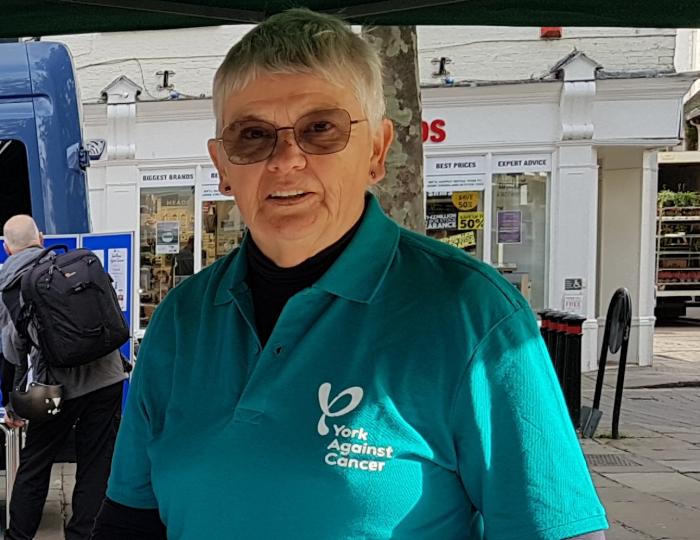
It's Cervical Cancer Prevention Week in January, so we thought we'd remind you of the wise words of our supporter Joan Pritchard (pictured).
Before becoming a York Against Cancer volunteer, Joan clocked up 46 years of NHS experience, 23 of them as a practice nurse in Haxby.
During that time, Joan helped keep thousands of York women safe from cancer by carrying out their smear tests and during Cervical Screening Awareness Week she’s offering words of reassurance to anyone worried about the test.
“Cervical screening saves lives – it’s as simple as that,” said Joan, a member of our Education and Awareness Committee. “But we know that women are often worried about it, especially if they are having it for the first time.”
All sexually active women should have a cervical smear. You will be offered the test from the age of 25.
“To anyone concerned, my advice is to ask for an experienced nurse or female doctor to carry it out,” said Joan.” They will be able to help put you at your ease.
“They will explain the procedure to you and should let you know that if at any time you feel uncomfortable you can stop what is happening – you will be in charge.”
Joan said the part of the screening that could prove uncomfortable – where a speculum is used to view the cervix and a sample of cells is gathered for testing – should last no more than 30-40 seconds.
“It is soon over and then you can have reassurance for three years,” she said. “And in the unlikely situation of anything abnormal being found, it is important to remember that when found early, cervical cancer is very treatable, it’s curable.
“Sadly, it is often when people do not take up the invitation to screening that things can go wrong – early detection is so, so important.”
The coronavirus pandemic has had an impact on screening programmes but it’s hoped that as we emerge from lockdown these tests will be widely conducted once more.
In the meantime, the NHS has advised that anyone with any health concerns should not delay contacting their GP for advice.
“It’s vital to ring your GP surgery if you are having symptoms that could be linked to cervical cancer, such as bleeding after sex or between periods,” said Joan. “The NHS is there for you with the expertise to know if you should be seen quickly.”
See more about cervical screening here: https://www.nhs.uk/conditions/cervical-screening/